Uconline Blog

Sample Page

Author: admin

  • How Effective Communication Builds Trust
    How Effective Communication Builds Trust

    Trust is one of the strongest foundations of any successful relationship. Whether people are working together in a business, studying in a classroom, building a friendship, or contributing to a community, trust makes cooperation easier. However, trust does not appear automatically. It develops through consistent actions, honesty, respect, and most importantly, effective communication.

    The way people speak, listen , share information, and respond to difficult situations can strongly influence whether others feel confident in them. When communication is clear and genuine, people know what to expect and feel more comfortable expressing their thoughts. Over time, these positive interactions create a strong foundation of trust.

    Clear Communication Reduces Confusion

    One of the simplest ways communication builds trust is by reducing misunderstandings. When information is unclear or incomplete, people may make assumptions that can lead to unnecessary problems.

    Clear communication helps everyone understand what is happening, what is expected, and what needs to be done. In a workplace, for example, a manager who clearly explains a project’s goals can help employees feel more confident about their responsibilities.

    Clarity does not mean using complicated language. In fact, the most effective communication is often simple, direct, and easy to understand.

    When people consistently communicate clearly, others learn that they can depend on the information they receive.

    Honesty Strengthens Confidence

    Trust cannot exist without honesty. People want to know that the information they receive is genuine and that important facts are not deliberately hidden.

    Honest communication does not mean being unnecessarily harsh or insensitive. It means sharing the truth in a respectful and thoughtful way.

    Sometimes, the truth may be uncomfortable. A project may be delayed, a mistake may have been made, or a plan may need to change. Hiding these problems might seem easier in the short term, but it can damage trust when the truth eventually becomes clear.

    Being honest, even during difficult situations, shows people that they can rely on you.

    Listening Is Just as Important

    Communication is not only about speaking. Listening plays an equally important role in building trust.

    When people feel that someone is genuinely listening to them, they feel valued and respected. Good listeners do not simply wait for their turn to speak. They pay attention, ask questions, and try to understand the other person’s perspective.

    Active listening can prevent misunderstandings and help people identify problems before they become serious.

    In professional environments, leaders who listen to their teams often create stronger relationships. Employees are more likely to share ideas and concerns when they believe their opinions will be taken seriously.

    Consistency Creates Reliability

    Trust grows when communication is consistent. If someone communicates openly one day but becomes unavailable or unclear the next, others may become uncertain about what to expect.

    Consistent communication does not mean talking constantly. It means providing information when it is needed and keeping people updated about important changes.

    For example, if a team leader regularly shares progress updates, team members know where a project stands. This creates a sense of stability and reduces unnecessary uncertainty.

    Over time, consistent communication demonstrates reliability.

    Respect Makes Communication Stronger

    The way something is said can be just as important as what is said. Respectful communication shows that the other person’s feelings and opinions matter.

    Even when people disagree, they can communicate without insulting, interrupting, or dismissing one another.

    Respectful conversations create an environment where people feel safe expressing different opinions. This is particularly important in workplaces and teams, where diverse perspectives can lead to better decisions.

    When people know they will be treated respectfully, they are more likely to communicate openly.

    Admitting Mistakes Builds Credibility

    Everyone makes mistakes. What matters is how those mistakes are handled.

    Trying to hide an error can damage trust, especially if others discover the truth later. A simple and sincere acknowledgment can often have the opposite effect.

    When someone says, “I made a mistake, and here is what I am doing to fix it,” they demonstrate accountability.

    This type of communication shows maturity and responsibility. It reminds others that mistakes do not have to destroy trust when they are addressed honestly.

    Communication During Difficult Times Matters Most

    Trust is often tested when circumstances become challenging. During a crisis, disagreement, or unexpected change, people naturally want accurate information.

    Silence or unclear communication can increase uncertainty. Effective communication, on the other hand, can provide reassurance and direction.

    Even when there are no immediate solutions, being honest about the situation can help people feel more secure. Saying what is known, acknowledging what is uncertain, and explaining the next steps can prevent unnecessary confusion.

    Strong communication during difficult moments can strengthen trust for the future.

    Digital Communication Requires Extra Care

    Modern communication often happens through emails, messages, and online platforms. While these tools are convenient, they can sometimes create misunderstandings because written messages lack facial expressions and tone of voice.

    Before sending an important message, it is helpful to consider how the words might be interpreted.

    Taking a moment to review a message can prevent unnecessary conflict and ensure that the intended meaning is clear.

    Conclusion

    Effective communication builds trust by creating clarity, encouraging honesty, demonstrating respect, and helping people feel heard. It allows individuals and organizations to develop stronger relationships based on reliability and mutual understanding.

    Trust is not created through one perfect conversation. It grows through repeated interactions and consistent behavior. Every clear explanation, honest update, thoughtful response, and attentive conversation contributes to that process.

    In the end, effective communication is about more than exchanging information. It is about creating confidence between people. When individuals communicate openly and respectfully, they create an environment where others feel comfortable sharing ideas, asking questions, and working together . 

    Whether in personal relationships, professional teams, or communities, communication remains one of the most powerful tools for building lasting trust. When people know they can depend on what others say—and feel respected when they speak—the foundation for strong and meaningful relationships becomes much stronger.

  • How Careers Are Changing With Technology

    How Careers Are Changing With Technology

    Technology has transformed nearly every aspect of modern life, and the workplace is no exception. From artificial intelligence and automation to cloud computing and remote collaboration, digital advancements are changing the way people work and build their careers with X88 com. Jobs that once relied on manual processes now involve advanced software and digital tools, while entirely new career paths have emerged in fields that barely existed a decade ago. Although these changes can seem challenging, they also create exciting opportunities for growth and innovation. Understanding how technology is reshaping careers helps individuals prepare for the future and develop the skills needed to succeed in an increasingly digital world.

    The Rise of Digital Workplaces

    Modern workplaces are becoming more connected through technology. Businesses now use cloud-based platforms, video conferencing tools, and project management software to improve communication and collaboration.

    Employees can work together regardless of location, making teamwork more flexible and efficient. Digital workplaces also allow businesses to hire talent from different regions, expanding career opportunities for professionals around the world.

    As technology continues to improve, digital workplaces will become even more common across industries.

    Automation Is Transforming Job Roles

    Automation has changed the way many tasks are completed. Repetitive and routine activities are increasingly handled by machines and software, allowing employees to focus on more meaningful responsibilities.

    Rather than eliminating all jobs, automation is changing the skills required for many positions. Creativity, critical thinking, communication, and decision-making are becoming more valuable because they cannot easily be replaced by technology.

    Professionals who adapt to these changes are more likely to thrive in the future job market.

    The Growing Demand for Digital Skills

    Technology has made digital skills essential in almost every profession. Basic computer knowledge is no longer enough, as many roles now require familiarity with online collaboration tools, data analysis, and digital communication platforms.

    People who continue learning new technologies improve their employability and remain competitive in changing industries. Even small improvements in digital literacy can open doors to better career opportunities.

    Developing digital skills is one of the smartest investments for long-term career success.

    Remote Work Is Creating New Opportunities

    One of the biggest changes brought by technology is the rise of remote work. Employees can now perform many tasks from home or any location with a reliable internet connection.

    Remote work provides greater flexibility, improves work-life balance, and allows organizations to access talent from around the globe. It also enables professionals to explore opportunities that were once limited by geography.

    Success in remote work requires strong communication, discipline, and effective time management.

    Continuous Learning Has Become Essential

    Technology evolves rapidly, making continuous learning an important part of every career. Professionals who regularly update their knowledge are better prepared for new tools, systems, and industry changes.

    Online courses, webinars, certifications, and professional workshops make learning more accessible than ever before. Developing new skills consistently helps individuals remain confident and adaptable.

    A commitment to lifelong learning supports long-term career growth.

    Soft Skills Remain Highly Valuable

    While technical knowledge is important, employers continue to value human skills that technology cannot replace. Communication, leadership, emotional intelligence, teamwork, and creativity remain essential in every workplace.

    Professionals who combine technical expertise with strong interpersonal skills often become valuable team members and future leaders.

    Balancing digital abilities with soft skills creates greater career opportunities.

    Technology Encourages Career Flexibility

    In the past, many people spent their entire careers in one profession. Today, technology allows individuals to explore different career paths more easily.

    Online learning platforms, digital networking, and freelance opportunities make it possible to transition into new industries without starting from the beginning.

    Career flexibility gives professionals greater control over their personal and professional growth.

    Innovation Creates New Career Paths

    As technology advances, entirely new careers continue to emerge. Fields such as cybersecurity, artificial intelligence, digital marketing, cloud computing, and data science have expanded rapidly in recent years.

    These new opportunities demonstrate how innovation creates demand for specialized knowledge and creative thinking.

    People who stay informed about industry trends can position themselves for future career success.

    Preparing for Tomorrow’s Workplace

    The workplace of the future will continue to evolve as technology becomes more advanced. Professionals who remain curious, adaptable, and open to learning will be better equipped to handle these changes.

    Preparing for tomorrow means developing both technical knowledge and personal skills that support collaboration and problem-solving.

    A proactive approach to learning creates confidence and career stability.

    Building a Future-Ready Career

    A successful career in the digital age requires more than technical expertise. It requires resilience, flexibility, and a willingness to embrace change.

    People who continuously improve their skills, adapt to new technologies, and maintain a positive attitude toward learning will remain valuable in any industry.

    Building a future-ready career begins with the decision to keep growing every day.

    Conclusion

    Technology is transforming careers by changing how people work with Giấy phép hoạt động X88, communicate, and develop professionally. Automation, remote work, digital tools, and innovation have created both challenges and exciting opportunities for individuals across every industry. While technical knowledge is becoming increasingly important, human qualities such as creativity, communication, leadership, and adaptability remain essential for long-term success. By embracing continuous learning and staying open to change, professionals can confidently navigate the evolving workplace. The future belongs to those who are willing to learn, adapt, and use technology as a tool for personal and career growth.

    In today’s fast-changing world, learning no longer ends when we leave school or earn a degree. Every day brings new technologies, fresh ideas, and different ways of working and living. To keep up with these changes, continuous learning has become more important than ever. It is not just about gaining professional skills; it is about growing as a person, staying curious, and becoming better prepared for life’s opportunities and challenges.

    Why Learning Should Never Stop

    Many people think education is limited to classrooms, but true learning continues throughout life. Every experience, conversation, book, or challenge teaches us something valuable. Whether someone wants to advance in their career, improve personal relationships, or simply understand the world better, learning plays a key role.

    Continuous learning helps individuals remain adaptable. As industries evolve and new tools replace old methods, those who are willing to learn are more likely to succeed. Instead of fearing change, lifelong learners see it as an opportunity to grow.

    Keeping Up with a Changing World

    Technology has transformed nearly every aspect of daily life. From online banking and digital communication to artificial intelligence and remote work, change happens quickly. People who regularly update their knowledge find it easier to adapt to these developments.

    Learning also helps individuals make informed decisions. Understanding current trends, digital tools, and reliable information allows people to navigate modern life with greater confidence and avoid misinformation.

    Career Growth Through Learning

    Employers increasingly value people who are eager to improve their skills. Continuous learning demonstrates dedication, flexibility, and a willingness to take on new responsibilities. Whether through online courses, workshops, certifications, or self-study, gaining new knowledge can open doors to promotions, career changes, and leadership opportunities.

    In many professions, staying updated is essential. Healthcare workers, teachers, engineers, marketers, and countless other professionals need to learn continuously to remain effective in their roles. Even entrepreneurs benefit from learning about business strategies, customer behavior, and emerging technologies.

    Building Confidence and Problem-Solving Skills

    Learning new things boosts confidence. Every new skill mastered becomes proof that personal growth is possible. This confidence encourages people to face unfamiliar situations with a positive mindset rather than fear.

    Continuous learning also strengthens critical thinking and problem-solving abilities. By exploring different ideas and perspectives, individuals become better equipped to analyze situations, make thoughtful decisions, and develop creative solutions to everyday challenges.

    Personal Growth Beyond the Workplace

    The benefits of learning extend far beyond career success. Reading books, learning a new language, exploring history, practicing creative hobbies, or studying different cultures enriches life in meaningful ways. These activities broaden perspectives, improve communication skills, and encourage empathy toward others.

    Learning can also improve mental well-being. Engaging the brain with new knowledge keeps the mind active, reduces boredom, and provides a sense of accomplishment. Many people find joy in discovering new interests that become lifelong passions.

    Easy Ways to Make Learning a Daily Habit

    Continuous learning does not require spending hours in a classroom. Small daily habits can make a significant difference over time. Reading for just twenty minutes a day, listening to educational podcasts during a commute, watching informative videos, or taking short online courses are all effective ways to learn.

    Asking questions, seeking feedback, and staying curious are equally important. Every conversation with an experienced colleague, mentor, or friend can become a valuable learning opportunity. The key is maintaining an open mind and embracing new experiences.

    Overcoming Common Barriers

    Many people believe they are too busy or too old to learn something new. However, learning does not have an age limit. Even small amounts of consistent effort can lead to meaningful progress. Setting realistic goals and focusing on one skill at a time makes the process enjoyable rather than overwhelming.

    Mistakes should also be viewed as part of learning. Every setback provides valuable lessons that help build resilience and improve future performance.

    Conclusion

    Continuous learning is one of the most valuable investments  anyone can make. It empowers people to adapt to change, achieve professional success, build confidence, and enjoy personal growth throughout their lives. In a world that never stops evolving, the willingness to keep learning becomes a powerful advantage. By staying curious and embracing new knowledge every day, individuals can unlock their full potential and create a more fulfilling, successful, and meaningful future.


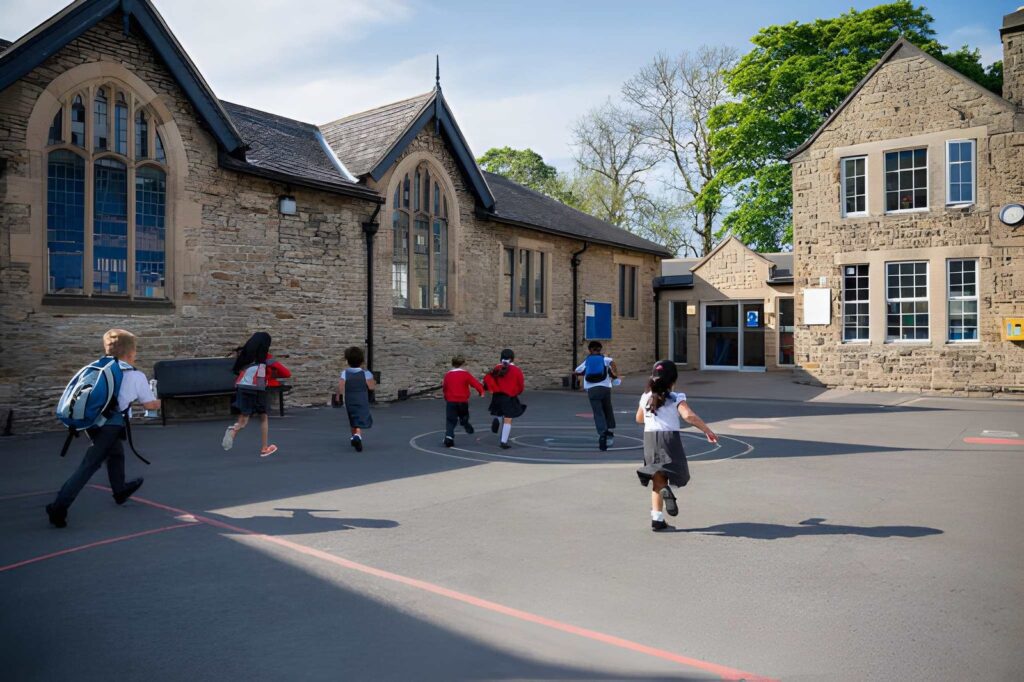
  • The Importance of Character Education in Schools

    The Importance of Character Education in Schools

    In today’s rapidly changing world, academic success alone is not enough to prepare students for life. While subjects like math, science, language, and technology are essential, schools also play a critical role in shaping students’ values, attitudes, and behavior. This is where character education in schools becomes important. Character education helps students develop qualities such as honesty, respect, responsibility, empathy, perseverance, and fairness. These traits support not only personal success but also healthier classrooms, stronger communities, and TG88 com a better society.

    What Is Character Education?

    Character education is the intentional teaching of positive values and ethical behavior in schools. It focuses on helping students understand right from wrong, make responsible decisions, and treat others with kindness and respect. Rather than being a single subject, character education can be included in daily lessons, classroom routines, school rules, and extracurricular activities.

    A strong character education program encourages students to practice good behavior in real situations. For example, students may learn teamwork through group projects, empathy through community service, and responsibility by completing assignments on time. Over time, these experiences help students build habits that guide their actions both inside and outside the classroom.

    Why Character Education Matters in Schools

    Schools are more than places for academic learning. They are environments where children learn how to communicate, cooperate, solve problems, and handle challenges. Character education matters because it supports the whole development of a child.

    When students learn values such as respect and self-discipline, classrooms become more positive and productive. Teachers can spend more time teaching and less time managing behavior issues. Students also feel safer and more supported, which can improve their motivation and confidence.

    In addition, character education helps prepare students for adulthood. Employers often look for people who are honest, dependable, hardworking, and able to work well with others. By teaching these qualities early, schools help students become responsible citizens and successful professionals.

    Building Respect and Empathy

    One of the most important benefits of character education is that it teaches respect and empathy. Respect means valuing others, listening to different opinions, and treating people fairly. Empathy means understanding and caring about how others feel.

    In diverse school environments, students meet classmates from different cultures, backgrounds, and experiences. Character education helps them appreciate these differences instead of judging or excluding others. Lessons on empathy can reduce bullying, improve friendships, and create a stronger sense of belonging.

    For example, classroom discussions, role-playing activities, and literature can help students see situations from another person’s point of view. When students learn to understand others, they are more likely to act with kindness and compassion.

    Encouraging Responsibility and Self-Discipline

    Responsibility is a key part of character development. Students need to learn that their choices have consequences. Character education teaches them to take ownership of their actions, complete tasks, follow rules, and contribute positively to their school community.

    Self-discipline is equally important. It helps students stay focused, manage emotions, and work toward long-term goals. A student with self-discipline is more likely to study consistently, avoid distractions, and keep trying even when assignments are difficult.

    Schools can encourage responsibility and self-discipline by setting clear expectations, recognizing positive behavior, and giving students leadership opportunities. Simple routines, such as keeping the classroom clean or helping younger students, can teach meaningful life lessons.

    Improving Academic Performance

    Character education and academic achievement are closely connected. Students who develop perseverance, patience, and a strong work ethic are often better prepared to succeed in their studies. When students believe in the value of effort, they are more likely to overcome obstacles and continue learning.

    A positive school culture also supports academic success. If students feel respected, safe, and encouraged, they can focus better on learning. Fewer conflicts and disruptions mean more time for instruction and meaningful classroom activities.

    Character education also promotes goal setting and personal growth. Students learn to reflect on their strengths and weaknesses, celebrate progress, and keep improving. These habits can lead to better grades, stronger study skills, and greater confidence.

    Reducing Bullying and Negative Behavior

    Bullying, disrespect, and peer pressure are common challenges in many schools. Character education can help reduce these problems by teaching students about kindness, fairness, and courage. Students learn not only to avoid harmful behavior but also to stand up for what is right.

    When schools consistently promote positive values, students begin to understand the importance of their words and actions. They become more aware of how teasing, exclusion, or gossip can hurt others. Character education encourages students to solve conflicts peacefully and seek help when needed.

    A school-wide approach is especially effective. When teachers, administrators, parents, and students all support the same values, the message becomes stronger and more meaningful.

    Preparing Students for Future Success

    The future will require more than technical knowledge. Students will need communication skills, emotional intelligence, adaptability, and ethical judgment. Character education prepares students for these demands by helping them become thoughtful and dependable individuals.

    In college, careers, and personal relationships, strong character matters. People who are honest, respectful, and responsible are more likely to earn trust and build positive connections. They are also better equipped to make wise decisions under pressure.

    By developing character in school, students gain tools that will benefit them throughout life. These lessons help them become leaders, problem solvers, and active members of society.

    The Role of Teachers and Parents

    Teachers play a major role in character education. They model positive behavior through their words, actions, and attitudes. A teacher who treats students with fairness and respect shows students how to behave toward others.

    Parents are also essential. Character education is most effective when the values taught at school are reinforced at home. Parents can support character development by encouraging honesty, responsibility, gratitude, and kindness in daily life.

    Strong communication between schools and families helps create a consistent message. When children see adults working together, they are more likely to take these values seriously.

    Conclusion

    The importance of character education in schools cannot be overstated. Academic knowledge helps students pass exams, but strong character helps them succeed in life. By teaching values such as respect, empathy, responsibility, honesty, and perseverance, schools help shape well-rounded individuals.

    Character education creates safer classrooms, improves student behavior, supports academic achievement, and prepares young people for the future. In a world that needs kindness, integrity, and responsible leadership, character education is not optional—it is essential. Schools that invest in character education are investing in better students, stronger communities, and nằm mơ thấy có bầu a brighter future.

  • Minimalist Living: Benefits and Practical Tips

    Minimalist Living: Benefits and Practical Tips

    Minimalist living is more than a design trend or a home with white walls and empty shelves. At its core, minimalism is a lifestyle choice that focuses on keeping what is truly useful, meaningful, and valuable while removing excess. In Nhà cái PG88 a world filled with constant distractions, overconsumption, and busy schedules, minimalist living offers a refreshing path toward simplicity, clarity, and intentional living.

    Whether you want to declutter your home, reduce stress, save money, or create more time for what matters, minimalism can help. This guide explores the key benefits of minimalist living and practical tips to help you get started.

    What Is Minimalist Living?

    Minimalist living means intentionally choosing to live with less. This does not mean giving up everything you own or living in an empty space. Instead, it means removing unnecessary possessions, commitments, and distractions so you can focus on what adds value to your life.

    For some people, minimalism means owning fewer clothes. For others, it means simplifying their schedule, reducing digital clutter, or spending less money on things they do not need. The beauty of minimalism is that it can be adapted to your lifestyle, goals, and personal values.

    Benefits of Minimalist Living

    Less Stress and More Peace

    Clutter can affect your mental well-being. A messy home often creates a sense of overwhelm, making it harder to relax and focus. When your environment is clean, organized, and simple, your mind often feels calmer too.

    Minimalist living helps create peaceful spaces where you can rest, think clearly, and feel more in control. By reducing physical clutter, you may also reduce emotional clutter.

    More Time for What Matters

    The more possessions you own, the more time you spend cleaning, organizing, maintaining, and searching for things. Minimalism allows you to spend less time managing stuff and more time enjoying life.

    With fewer distractions, you can focus on meaningful activities such as spending time with family, pursuing hobbies, exercising, reading, or simply relaxing. Minimalist living helps you make room for experiences instead of objects.

    Better Financial Health

    One of the biggest benefits of minimalism is saving money. When you become more intentional about what you buy, you naturally reduce impulse purchases. Instead of buying items because they are trendy or on sale, you begin asking whether they truly serve a purpose.

    This mindset can help you pay off debt, build savings, invest in quality items, or spend money on experiences that bring long-term happiness.

    Improved Focus and Productivity

    A cluttered space can make it difficult to concentrate. Too many items, notifications, and obligations compete for your attention. Minimalist living encourages you to remove distractions and create a more focused environment.

    A simple workspace, for example, can help you work more efficiently. A simplified daily routine can also reduce decision fatigue, giving you more mental energy for important tasks.

    A More Sustainable Lifestyle

    Minimalism often supports eco-friendly living. When you buy less, waste less, and choose quality over quantity, you reduce your environmental impact. Minimalists tend to be more mindful about consumption, which can lead to fewer discarded items and less demand for fast fashion, cheap products, and unnecessary packaging.

    Living with less can benefit both your personal life and the planet.

    Practical Tips for Minimalist Living

    Start Small

    You do not need to transform your entire home overnight. In fact, starting too big can feel overwhelming. Begin with one drawer, one shelf, or one category of items, such as shoes or kitchen tools.

    Small progress builds confidence. Once you see the benefits in one area, you will feel more motivated to continue.

    Declutter by Category

    Instead of Rút tiền PG88 decluttering room by room, try organizing by category. For example, gather all your clothes in one place and review them together. This helps you see how much you truly own and makes it easier to identify duplicates or items you no longer use.

    Common categories include clothing, books, papers, kitchen items, beauty products, electronics, and sentimental objects.

    Ask the Right Questions

    When deciding what to keep, ask yourself:

    – Do I use this regularly?

    – Does it add value to my life?

    – Would I buy it again today?

    – Does it fit my current lifestyle?

    – Am I keeping it out of guilt or obligation?

    These questions help you make thoughtful decisions rather than keeping items out of habit.

    Follow the “One In, One Out” Rule

    To maintain a minimalist home, try the “one in, one out” rule. Whenever you bring a new item into your home, remove one similar item. For example, if you buy a new sweater, donate an old one.

    This simple habit prevents clutter from building up again and encourages more mindful shopping.

    Choose Quality Over Quantity

    Minimalist living does not mean never buying anything. It means buying intentionally. Instead of purchasing many low-quality items, invest in fewer high-quality products that last longer and serve you well.

    This approach can apply to clothing, furniture, kitchenware, and even technology. Quality items often save money in the long run and reduce waste.

    Simplify Your Digital Life

    Minimalism is not only about physical possessions. Digital clutter can be just as stressful. Unread emails, unused apps, endless notifications, and disorganized files can drain your attention.

    Start by deleting apps you do not use, unsubscribing from unnecessary emails, organizing your files, and turning off nonessential notifications. A cleaner digital space can improve focus and reduce stress.

    Be Mindful of Your Schedule

    A minimalist lifestyle also includes how you spend your time. If your calendar is packed with obligations that do not align with your priorities, you may feel exhausted and unfulfilled.

    Learn to say no when needed. Leave space for rest, creativity, and meaningful relationships. Minimalism helps you protect your time as one of your most valuable resources.

    Create a Calm Home Environment

    A minimalist home should feel comfortable, not empty or cold. Keep items that are functional, beautiful, or meaningful. Use simple storage solutions, clear surfaces, and calming colors to create a peaceful atmosphere.

    The goal is not perfection. The goal is to design a space that supports your daily life and makes you feel at ease.

    Final Thoughts on Minimalist Living

    Minimalist living is about making intentional choices. It is not about deprivation, strict rules, or comparing your home to someone else’s. It is about creating more space—physically, mentally, financially, and emotionally—for the things that truly matter.

    By starting small, decluttering thoughtfully, simplifying your schedule, and buying with intention, you can enjoy the many benefits of minimalism. Over time, minimalist living can help you feel calmer, more focused, and more connected to the life you want to create.

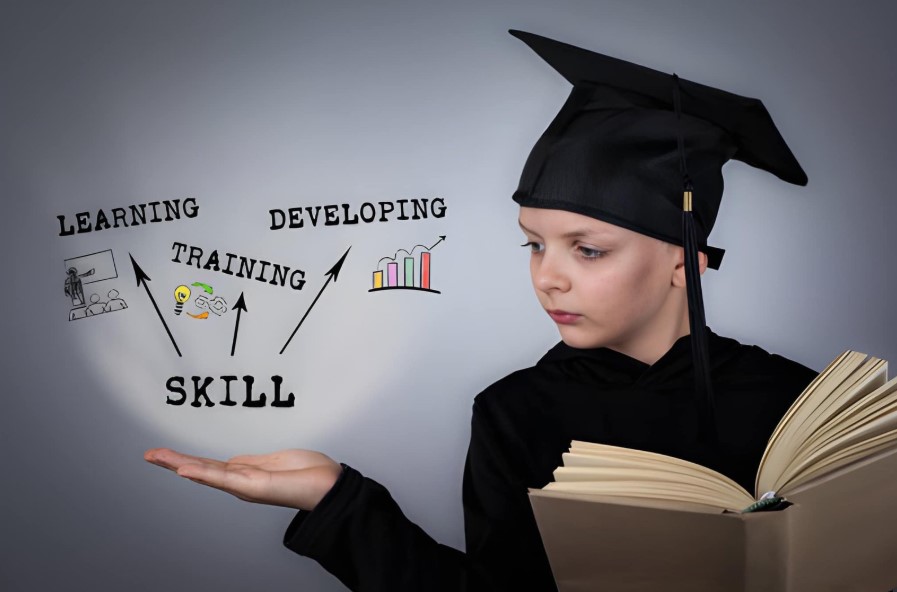
  • Essential Skills Every Graduate Should Master

    Essential Skills Every Graduate Should Master

    Graduating from college or university is an exciting milestone. It marks the beginning of a new chapter filled with career opportunities, personal growth, and real-world responsibilities. However, earning a degree is only one part of preparing for professional success. To stand out in today’s competitive job market, graduates need more than academic knowledge. They must develop practical, transferable skills that employers value across industries.

    Whether you are entering your first job, starting a business Ga6789 com , or pursuing further studies, mastering the right skills can help you adapt, grow, and succeed. Below are the essential skills every graduate should master to build a strong foundation for the future.

    Communication Skills

    Strong communication skills are among the most important abilities for any graduate. Employers consistently look for candidates who can express ideas clearly, listen actively, and interact professionally with others.

    Communication includes both verbal and written skills. Graduates should be able to write professional emails, prepare reports, deliver presentations, and participate confidently in meetings. Good communication also means understanding non-verbal cues, asking thoughtful questions, and adapting your message to different audiences.

    In the workplace, clear communication reduces misunderstandings, improves teamwork, and helps build strong professional relationships. Graduates who communicate effectively are more likely to lead projects, solve problems, and create positive impressions.

    Critical Thinking and Problem-Solving

    The modern workplace is full of challenges that require careful analysis and smart Critical thinking decision-making. helps graduates evaluate information, question assumptions, and make logical decisions.

    Problem-solving is closely connected to critical thinking. Employers want graduates who can identify problems, explore solutions, and take action. This skill is especially valuable in fast-paced environments where situations change quickly.

    To improve critical thinking, graduates should practice analyzing case studies, asking “why” and “how” questions, and considering multiple perspectives before making decisions. Being able to solve problems independently shows confidence, maturity, and professionalism.

    Digital Literacy

    In today’s technology-driven world, digital literacy is essential. Almost every career now requires some level of comfort with digital tools, software, and online platforms.

    Graduates should know how to use common workplace tools such as word processors, spreadsheets, presentation software, email platforms, and cloud storage systems. They should also understand basic cybersecurity practices, such as creating strong passwords, recognizing phishing emails, and protecting sensitive information.

    Depending on the industry, graduates may also benefit from learning data analysis tools, content management systems, social media platforms, or project management software. Digital literacy allows graduates to work efficiently and stay competitive in an evolving job market.

    Time Management

    Time management is a crucial skill for graduates transitioning from academic life to professional life. In the workplace, deadlines, meetings, and responsibilities can quickly become overwhelming without proper organization.

    Effective time management involves setting priorities, creating schedules, avoiding procrastination, and breaking large tasks into smaller steps. Graduates who manage their time well are more productive and less stressed.

    Simple strategies such as using calendars, task lists, reminders, and productivity apps can make a big difference. Learning to focus on high-priority tasks and avoid distractions is key to long-term success.

    Teamwork and Collaboration

    Most jobs require working with others. Whether in an office, remote team, or hybrid environment, collaboration is essential. Graduates must learn how to contribute to group projects, respect different opinions, and support team goals.

    Good teamwork involves reliability, flexibility, active listening, and a willingness to help others with Mẹo chăm sóc gà chiến kê . It also means being open to feedback and resolving conflicts professionally.

    Employers value graduates who can work well with diverse teams. Collaboration leads to better ideas, stronger performance, and a healthier workplace culture. Graduates who demonstrate teamwork skills often become trusted and respected colleagues.

    Adaptability and Resilience

    Change is constant in today’s professional world. Industries evolve, technologies advance, and job roles shift. Graduates who are adaptable can respond positively to change and learn new skills when needed.

    Resilience is the ability to recover from setbacks and keep moving forward. Every graduate will face challenges, such as job rejections, workplace mistakes, or difficult projects. Resilient individuals treat these experiences as opportunities to learn rather than reasons to give up.

    To build adaptability and resilience, graduates should stay curious, accept constructive feedback, and remain open to new experiences. These qualities help professionals grow stronger and more confident over time.

    Leadership Skills

    Leadership is not only for managers. Every graduate can benefit from developing leadership skills, regardless of job title. Leadership involves taking responsibility, motivating others, making decisions, and setting a positive example.

    Graduates can demonstrate leadership by showing initiative, volunteering for tasks, supporting teammates, and offering creative ideas. Strong leaders are also good listeners who respect others and encourage collaboration.

    Developing leadership skills early can open doors to promotions, management roles, and career advancement. Employers appreciate graduates who show potential to lead and inspire others.

    Emotional Intelligence

    Emotional intelligence, often called EQ, is the ability to understand and manage your emotions while also recognizing the emotions of others. This skill is vital for building strong workplace relationships.

    Graduates with high emotional intelligence can handle stress, communicate with empathy, and respond calmly in difficult situations. They are also better at resolving conflicts and working with different personality types.

    Improving emotional intelligence requires self-awareness, patience, and reflection. By learning to control reactions and understand others’ perspectives, graduates can become more effective and professional.

    Financial Literacy

    Financial literacy is an essential life skill that every graduate should master. After graduation, many young professionals begin managing salaries, student loans, rent, bills, savings, and investments.

    Understanding budgeting, saving, credit scores, taxes, and debt management can help graduates make smart financial decisions. Good financial habits reduce stress and create long-term stability.

    Graduates should learn how to create a monthly budget, build an emergency fund, and plan for future goals. Financial literacy provides independence and confidence in both personal and professional life.

    Networking Skills

    is one of the most powerful tools for career growth. Building professional relationships can lead to job opportunities, mentorship, partnerships, and valuable advice.

    Networking Graduates should learn how to introduce themselves professionally, maintain connections, and use platforms like LinkedIn effectively. Attending career fairs, industry events, workshops, and alumni gatherings can also help expand a professional network.

    Successful networking is not just about asking for help. It is about building genuine relationships, offering value, and staying connected over time.

    Conclusion

    Mastering essential skills after graduation is key to building a successful and fulfilling career. While academic qualifications are important, employers also seek graduates who can communicate effectively, solve problems, work in teams, adapt to change, and manage responsibilities.

    By developing these essential skills every graduate should master, young professionals can increase their confidence, improve employability, and prepare for long-term success. The journey does not end at graduation—it begins there. Continuous learning, self-improvement, and a positive attitude will help every graduate thrive in the modern world.

  • Hello world!

    Welcome to WordPress. This is your first post. Edit or delete it, then start writing!