Minimalist Living: Benefits and Practical Tips
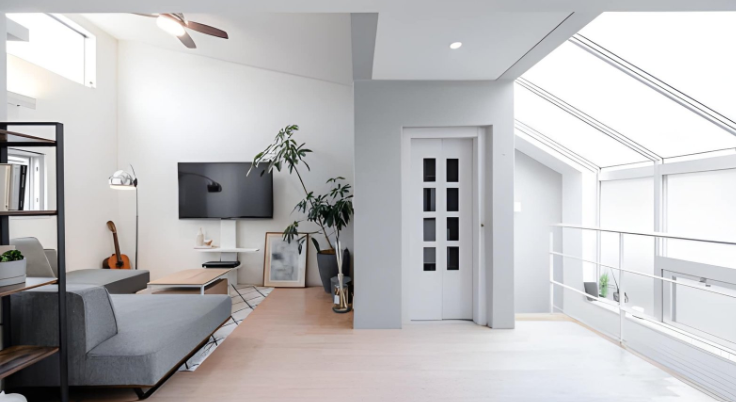
Minimalist living is more than a design trend or a home with white walls and empty shelves. At its core, minimalism is a lifestyle choice that focuses on keeping what is truly useful, meaningful, and valuable while removing excess. In Nhà cái PG88 a world filled with constant distractions, overconsumption, and busy schedules, minimalist living offers a refreshing path toward simplicity, clarity, and intentional living.
Whether you want to declutter your home, reduce stress, save money, or create more time for what matters, minimalism can help. This guide explores the key benefits of minimalist living and practical tips to help you get started.
What Is Minimalist Living?
Minimalist living means intentionally choosing to live with less. This does not mean giving up everything you own or living in an empty space. Instead, it means removing unnecessary possessions, commitments, and distractions so you can focus on what adds value to your life.
For some people, minimalism means owning fewer clothes. For others, it means simplifying their schedule, reducing digital clutter, or spending less money on things they do not need. The beauty of minimalism is that it can be adapted to your lifestyle, goals, and personal values.
Benefits of Minimalist Living
Less Stress and More Peace
Clutter can affect your mental well-being. A messy home often creates a sense of overwhelm, making it harder to relax and focus. When your environment is clean, organized, and simple, your mind often feels calmer too.
Minimalist living helps create peaceful spaces where you can rest, think clearly, and feel more in control. By reducing physical clutter, you may also reduce emotional clutter.
More Time for What Matters
The more possessions you own, the more time you spend cleaning, organizing, maintaining, and searching for things. Minimalism allows you to spend less time managing stuff and more time enjoying life.
With fewer distractions, you can focus on meaningful activities such as spending time with family, pursuing hobbies, exercising, reading, or simply relaxing. Minimalist living helps you make room for experiences instead of objects.
Better Financial Health
One of the biggest benefits of minimalism is saving money. When you become more intentional about what you buy, you naturally reduce impulse purchases. Instead of buying items because they are trendy or on sale, you begin asking whether they truly serve a purpose.
This mindset can help you pay off debt, build savings, invest in quality items, or spend money on experiences that bring long-term happiness.
Improved Focus and Productivity
A cluttered space can make it difficult to concentrate. Too many items, notifications, and obligations compete for your attention. Minimalist living encourages you to remove distractions and create a more focused environment.
A simple workspace, for example, can help you work more efficiently. A simplified daily routine can also reduce decision fatigue, giving you more mental energy for important tasks.
A More Sustainable Lifestyle
Minimalism often supports eco-friendly living. When you buy less, waste less, and choose quality over quantity, you reduce your environmental impact. Minimalists tend to be more mindful about consumption, which can lead to fewer discarded items and less demand for fast fashion, cheap products, and unnecessary packaging.
Living with less can benefit both your personal life and the planet.
Practical Tips for Minimalist Living
Start Small
You do not need to transform your entire home overnight. In fact, starting too big can feel overwhelming. Begin with one drawer, one shelf, or one category of items, such as shoes or kitchen tools.
Small progress builds confidence. Once you see the benefits in one area, you will feel more motivated to continue.
Declutter by Category
Instead of Rút tiền PG88 decluttering room by room, try organizing by category. For example, gather all your clothes in one place and review them together. This helps you see how much you truly own and makes it easier to identify duplicates or items you no longer use.
Common categories include clothing, books, papers, kitchen items, beauty products, electronics, and sentimental objects.
Ask the Right Questions
When deciding what to keep, ask yourself:
– Do I use this regularly?
– Does it add value to my life?
– Would I buy it again today?
– Does it fit my current lifestyle?
– Am I keeping it out of guilt or obligation?
These questions help you make thoughtful decisions rather than keeping items out of habit.
Follow the “One In, One Out” Rule
To maintain a minimalist home, try the “one in, one out” rule. Whenever you bring a new item into your home, remove one similar item. For example, if you buy a new sweater, donate an old one.
This simple habit prevents clutter from building up again and encourages more mindful shopping.
Choose Quality Over Quantity
Minimalist living does not mean never buying anything. It means buying intentionally. Instead of purchasing many low-quality items, invest in fewer high-quality products that last longer and serve you well.
This approach can apply to clothing, furniture, kitchenware, and even technology. Quality items often save money in the long run and reduce waste.
Simplify Your Digital Life
Minimalism is not only about physical possessions. Digital clutter can be just as stressful. Unread emails, unused apps, endless notifications, and disorganized files can drain your attention.
Start by deleting apps you do not use, unsubscribing from unnecessary emails, organizing your files, and turning off nonessential notifications. A cleaner digital space can improve focus and reduce stress.
Be Mindful of Your Schedule
A minimalist lifestyle also includes how you spend your time. If your calendar is packed with obligations that do not align with your priorities, you may feel exhausted and unfulfilled.
Learn to say no when needed. Leave space for rest, creativity, and meaningful relationships. Minimalism helps you protect your time as one of your most valuable resources.
Create a Calm Home Environment
A minimalist home should feel comfortable, not empty or cold. Keep items that are functional, beautiful, or meaningful. Use simple storage solutions, clear surfaces, and calming colors to create a peaceful atmosphere.
The goal is not perfection. The goal is to design a space that supports your daily life and makes you feel at ease.
Final Thoughts on Minimalist Living
Minimalist living is about making intentional choices. It is not about deprivation, strict rules, or comparing your home to someone else’s. It is about creating more space—physically, mentally, financially, and emotionally—for the things that truly matter.
By starting small, decluttering thoughtfully, simplifying your schedule, and buying with intention, you can enjoy the many benefits of minimalism. Over time, minimalist living can help you feel calmer, more focused, and more connected to the life you want to create.