Essential Skills Every Graduate Should Master
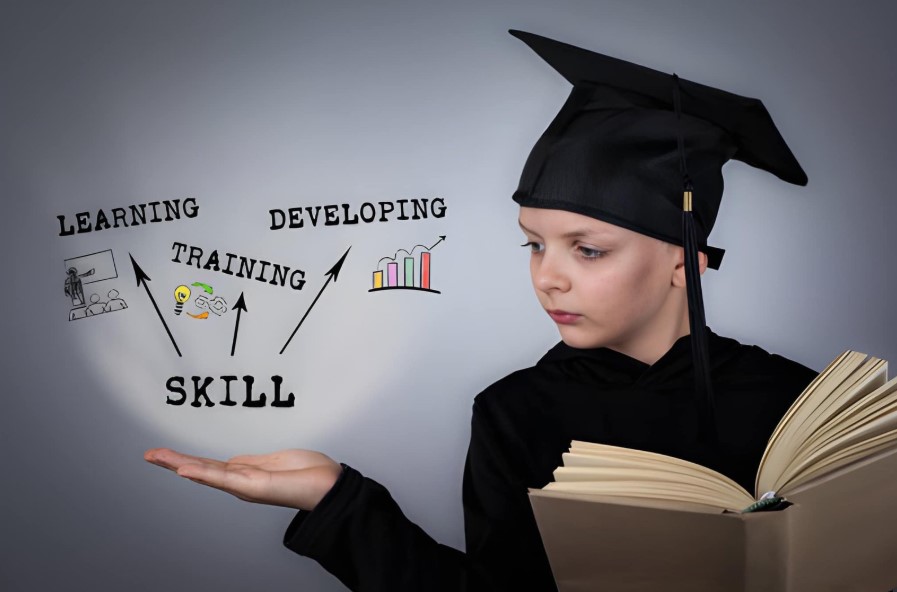
Graduating from college or university is an exciting milestone. It marks the beginning of a new chapter filled with career opportunities, personal growth, and real-world responsibilities. However, earning a degree is only one part of preparing for professional success. To stand out in today’s competitive job market, graduates need more than academic knowledge. They must develop practical, transferable skills that employers value across industries.
Whether you are entering your first job, starting a business Ga6789 com , or pursuing further studies, mastering the right skills can help you adapt, grow, and succeed. Below are the essential skills every graduate should master to build a strong foundation for the future.
Communication Skills
Strong communication skills are among the most important abilities for any graduate. Employers consistently look for candidates who can express ideas clearly, listen actively, and interact professionally with others.
Communication includes both verbal and written skills. Graduates should be able to write professional emails, prepare reports, deliver presentations, and participate confidently in meetings. Good communication also means understanding non-verbal cues, asking thoughtful questions, and adapting your message to different audiences.
In the workplace, clear communication reduces misunderstandings, improves teamwork, and helps build strong professional relationships. Graduates who communicate effectively are more likely to lead projects, solve problems, and create positive impressions.
Critical Thinking and Problem-Solving
The modern workplace is full of challenges that require careful analysis and smart Critical thinking decision-making. helps graduates evaluate information, question assumptions, and make logical decisions.
Problem-solving is closely connected to critical thinking. Employers want graduates who can identify problems, explore solutions, and take action. This skill is especially valuable in fast-paced environments where situations change quickly.
To improve critical thinking, graduates should practice analyzing case studies, asking “why” and “how” questions, and considering multiple perspectives before making decisions. Being able to solve problems independently shows confidence, maturity, and professionalism.
Digital Literacy
In today’s technology-driven world, digital literacy is essential. Almost every career now requires some level of comfort with digital tools, software, and online platforms.
Graduates should know how to use common workplace tools such as word processors, spreadsheets, presentation software, email platforms, and cloud storage systems. They should also understand basic cybersecurity practices, such as creating strong passwords, recognizing phishing emails, and protecting sensitive information.
Depending on the industry, graduates may also benefit from learning data analysis tools, content management systems, social media platforms, or project management software. Digital literacy allows graduates to work efficiently and stay competitive in an evolving job market.
Time Management
Time management is a crucial skill for graduates transitioning from academic life to professional life. In the workplace, deadlines, meetings, and responsibilities can quickly become overwhelming without proper organization.
Effective time management involves setting priorities, creating schedules, avoiding procrastination, and breaking large tasks into smaller steps. Graduates who manage their time well are more productive and less stressed.
Simple strategies such as using calendars, task lists, reminders, and productivity apps can make a big difference. Learning to focus on high-priority tasks and avoid distractions is key to long-term success.
Teamwork and Collaboration
Most jobs require working with others. Whether in an office, remote team, or hybrid environment, collaboration is essential. Graduates must learn how to contribute to group projects, respect different opinions, and support team goals.
Good teamwork involves reliability, flexibility, active listening, and a willingness to help others with Mẹo chăm sóc gà chiến kê . It also means being open to feedback and resolving conflicts professionally.
Employers value graduates who can work well with diverse teams. Collaboration leads to better ideas, stronger performance, and a healthier workplace culture. Graduates who demonstrate teamwork skills often become trusted and respected colleagues.
Adaptability and Resilience
Change is constant in today’s professional world. Industries evolve, technologies advance, and job roles shift. Graduates who are adaptable can respond positively to change and learn new skills when needed.
Resilience is the ability to recover from setbacks and keep moving forward. Every graduate will face challenges, such as job rejections, workplace mistakes, or difficult projects. Resilient individuals treat these experiences as opportunities to learn rather than reasons to give up.
To build adaptability and resilience, graduates should stay curious, accept constructive feedback, and remain open to new experiences. These qualities help professionals grow stronger and more confident over time.
Leadership Skills
Leadership is not only for managers. Every graduate can benefit from developing leadership skills, regardless of job title. Leadership involves taking responsibility, motivating others, making decisions, and setting a positive example.
Graduates can demonstrate leadership by showing initiative, volunteering for tasks, supporting teammates, and offering creative ideas. Strong leaders are also good listeners who respect others and encourage collaboration.
Developing leadership skills early can open doors to promotions, management roles, and career advancement. Employers appreciate graduates who show potential to lead and inspire others.
Emotional Intelligence
Emotional intelligence, often called EQ, is the ability to understand and manage your emotions while also recognizing the emotions of others. This skill is vital for building strong workplace relationships.
Graduates with high emotional intelligence can handle stress, communicate with empathy, and respond calmly in difficult situations. They are also better at resolving conflicts and working with different personality types.
Improving emotional intelligence requires self-awareness, patience, and reflection. By learning to control reactions and understand others’ perspectives, graduates can become more effective and professional.
Financial Literacy
Financial literacy is an essential life skill that every graduate should master. After graduation, many young professionals begin managing salaries, student loans, rent, bills, savings, and investments.
Understanding budgeting, saving, credit scores, taxes, and debt management can help graduates make smart financial decisions. Good financial habits reduce stress and create long-term stability.
Graduates should learn how to create a monthly budget, build an emergency fund, and plan for future goals. Financial literacy provides independence and confidence in both personal and professional life.
Networking Skills
is one of the most powerful tools for career growth. Building professional relationships can lead to job opportunities, mentorship, partnerships, and valuable advice.
Networking Graduates should learn how to introduce themselves professionally, maintain connections, and use platforms like LinkedIn effectively. Attending career fairs, industry events, workshops, and alumni gatherings can also help expand a professional network.
Successful networking is not just about asking for help. It is about building genuine relationships, offering value, and staying connected over time.
Conclusion
Mastering essential skills after graduation is key to building a successful and fulfilling career. While academic qualifications are important, employers also seek graduates who can communicate effectively, solve problems, work in teams, adapt to change, and manage responsibilities.
By developing these essential skills every graduate should master, young professionals can increase their confidence, improve employability, and prepare for long-term success. The journey does not end at graduation—it begins there. Continuous learning, self-improvement, and a positive attitude will help every graduate thrive in the modern world.