The Importance of Character Education in Schools
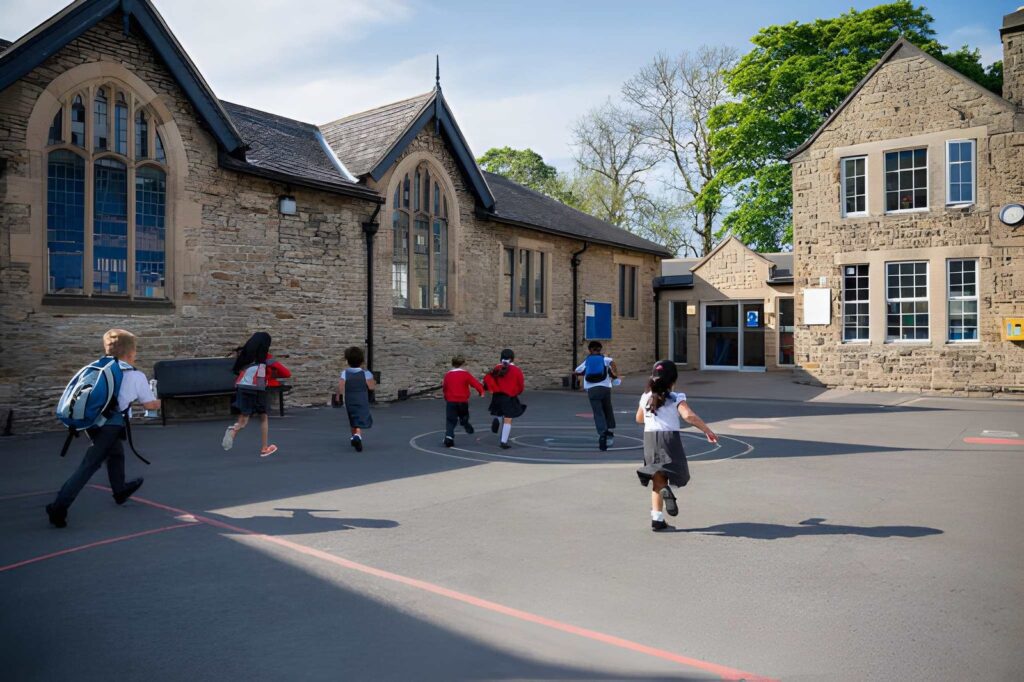
In today’s rapidly changing world, academic success alone is not enough to prepare students for life. While subjects like math, science, language, and technology are essential, schools also play a critical role in shaping students’ values, attitudes, and behavior. This is where character education in schools becomes important. Character education helps students develop qualities such as honesty, respect, responsibility, empathy, perseverance, and fairness. These traits support not only personal success but also healthier classrooms, stronger communities, and TG88 com a better society.
What Is Character Education?
Character education is the intentional teaching of positive values and ethical behavior in schools. It focuses on helping students understand right from wrong, make responsible decisions, and treat others with kindness and respect. Rather than being a single subject, character education can be included in daily lessons, classroom routines, school rules, and extracurricular activities.
A strong character education program encourages students to practice good behavior in real situations. For example, students may learn teamwork through group projects, empathy through community service, and responsibility by completing assignments on time. Over time, these experiences help students build habits that guide their actions both inside and outside the classroom.
Why Character Education Matters in Schools
Schools are more than places for academic learning. They are environments where children learn how to communicate, cooperate, solve problems, and handle challenges. Character education matters because it supports the whole development of a child.
When students learn values such as respect and self-discipline, classrooms become more positive and productive. Teachers can spend more time teaching and less time managing behavior issues. Students also feel safer and more supported, which can improve their motivation and confidence.
In addition, character education helps prepare students for adulthood. Employers often look for people who are honest, dependable, hardworking, and able to work well with others. By teaching these qualities early, schools help students become responsible citizens and successful professionals.
Building Respect and Empathy
One of the most important benefits of character education is that it teaches respect and empathy. Respect means valuing others, listening to different opinions, and treating people fairly. Empathy means understanding and caring about how others feel.
In diverse school environments, students meet classmates from different cultures, backgrounds, and experiences. Character education helps them appreciate these differences instead of judging or excluding others. Lessons on empathy can reduce bullying, improve friendships, and create a stronger sense of belonging.
For example, classroom discussions, role-playing activities, and literature can help students see situations from another person’s point of view. When students learn to understand others, they are more likely to act with kindness and compassion.
Encouraging Responsibility and Self-Discipline
Responsibility is a key part of character development. Students need to learn that their choices have consequences. Character education teaches them to take ownership of their actions, complete tasks, follow rules, and contribute positively to their school community.
Self-discipline is equally important. It helps students stay focused, manage emotions, and work toward long-term goals. A student with self-discipline is more likely to study consistently, avoid distractions, and keep trying even when assignments are difficult.
Schools can encourage responsibility and self-discipline by setting clear expectations, recognizing positive behavior, and giving students leadership opportunities. Simple routines, such as keeping the classroom clean or helping younger students, can teach meaningful life lessons.
Improving Academic Performance
Character education and academic achievement are closely connected. Students who develop perseverance, patience, and a strong work ethic are often better prepared to succeed in their studies. When students believe in the value of effort, they are more likely to overcome obstacles and continue learning.
A positive school culture also supports academic success. If students feel respected, safe, and encouraged, they can focus better on learning. Fewer conflicts and disruptions mean more time for instruction and meaningful classroom activities.
Character education also promotes goal setting and personal growth. Students learn to reflect on their strengths and weaknesses, celebrate progress, and keep improving. These habits can lead to better grades, stronger study skills, and greater confidence.
Reducing Bullying and Negative Behavior
Bullying, disrespect, and peer pressure are common challenges in many schools. Character education can help reduce these problems by teaching students about kindness, fairness, and courage. Students learn not only to avoid harmful behavior but also to stand up for what is right.
When schools consistently promote positive values, students begin to understand the importance of their words and actions. They become more aware of how teasing, exclusion, or gossip can hurt others. Character education encourages students to solve conflicts peacefully and seek help when needed.
A school-wide approach is especially effective. When teachers, administrators, parents, and students all support the same values, the message becomes stronger and more meaningful.
Preparing Students for Future Success
The future will require more than technical knowledge. Students will need communication skills, emotional intelligence, adaptability, and ethical judgment. Character education prepares students for these demands by helping them become thoughtful and dependable individuals.
In college, careers, and personal relationships, strong character matters. People who are honest, respectful, and responsible are more likely to earn trust and build positive connections. They are also better equipped to make wise decisions under pressure.
By developing character in school, students gain tools that will benefit them throughout life. These lessons help them become leaders, problem solvers, and active members of society.
The Role of Teachers and Parents
Teachers play a major role in character education. They model positive behavior through their words, actions, and attitudes. A teacher who treats students with fairness and respect shows students how to behave toward others.
Parents are also essential. Character education is most effective when the values taught at school are reinforced at home. Parents can support character development by encouraging honesty, responsibility, gratitude, and kindness in daily life.
Strong communication between schools and families helps create a consistent message. When children see adults working together, they are more likely to take these values seriously.
Conclusion
The importance of character education in schools cannot be overstated. Academic knowledge helps students pass exams, but strong character helps them succeed in life. By teaching values such as respect, empathy, responsibility, honesty, and perseverance, schools help shape well-rounded individuals.
Character education creates safer classrooms, improves student behavior, supports academic achievement, and prepares young people for the future. In a world that needs kindness, integrity, and responsible leadership, character education is not optional—it is essential. Schools that invest in character education are investing in better students, stronger communities, and nằm mơ thấy có bầu a brighter future.